
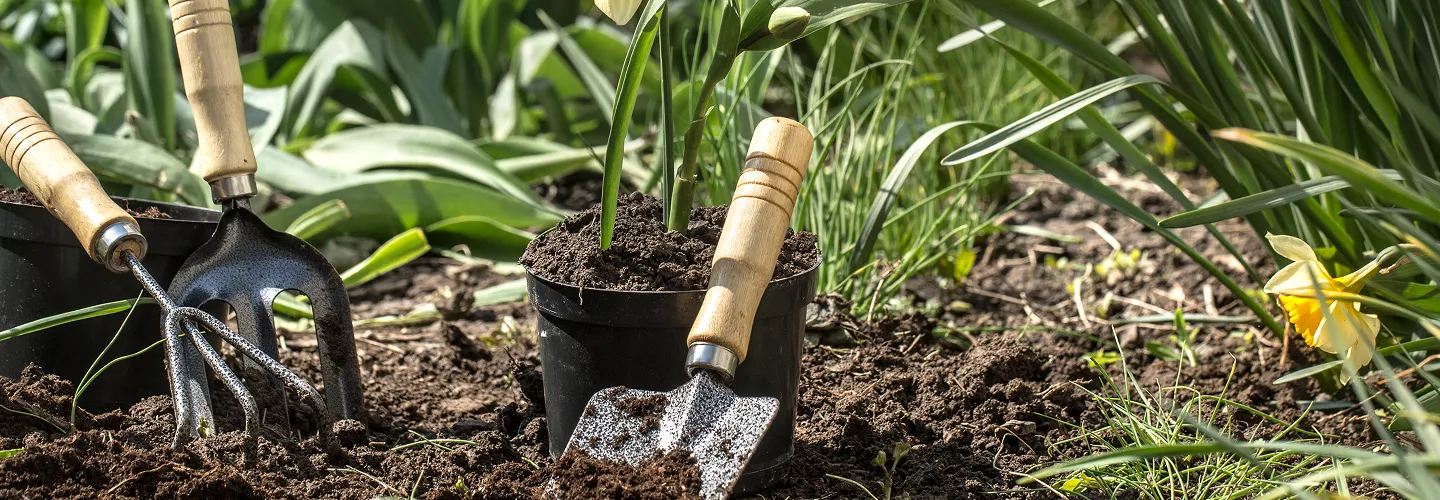
Providence Flower Bed Maintenance Services
Choose our Flower Bed Maintenance for expert care that ensures your blooms stay healthy, beautiful, and weed-free—so you can enjoy a stunning garden without the hassle.
Get a Free QuoteOur Providence Landscaping & Yard Care Services
When to Schedule Flower Bed Maintenance in Providence, Rhode Island – Seasonal Guide
In Providence, Rhode Island, the best times for flower bed maintenance are closely tied to our unique New England climate and the city’s diverse neighborhoods, from the historic East Side to the tree-lined streets of Elmhurst. Spring, just after the last frost—typically in late April or early May—is ideal for cleaning beds, refreshing mulch, and planting annuals. Fall, before the first hard frost in late October, is perfect for cutting back perennials and preparing beds for winter. The city’s proximity to Narragansett Bay brings higher humidity and occasional coastal storms, which can affect soil moisture and plant health. Areas near Roger Williams Park or Blackstone Boulevard may experience more shade and leaf litter, while neighborhoods like Mount Pleasant might have heavier, clay-rich soils that require different care. Be mindful of local environmental factors such as drought risk during summer, municipal watering restrictions, and the impact of dense tree canopies on sunlight and debris. For more information on local gardening resources, visit Sudbury’s municipal site.
Local Factors to Consider for Flower Bed Maintenance in Providence
- Tree density and shade coverage, especially in neighborhoods like College Hill
- Soil type variations (sandy near the river, clay in inland areas)
- Average precipitation and risk of summer droughts
- Frost dates and seasonal temperature swings
- Municipal restrictions on watering or fertilizer use
- Terrain and drainage, particularly in hilly areas like Federal Hill
Benefits of Flower Bed Maintenance in Providence
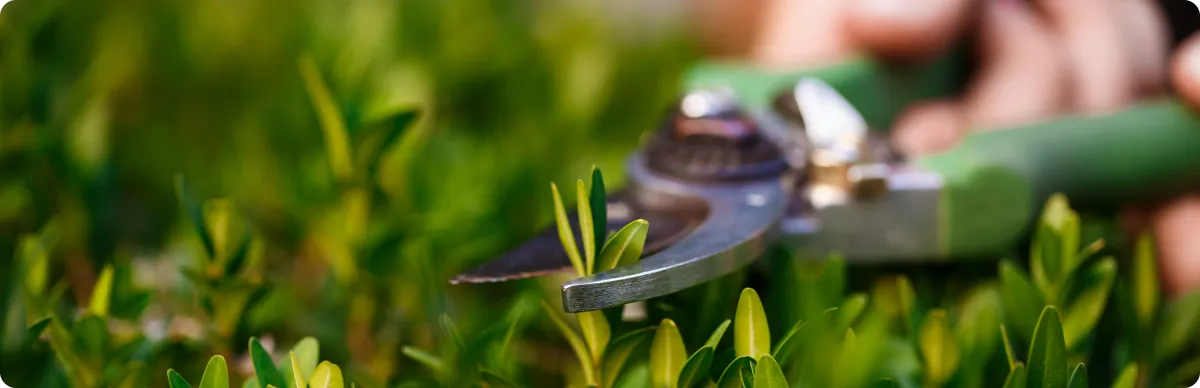
Enhanced Curb Appeal
Weed and Pest Prevention
Healthier Plant Growth
Seasonal Color Management
Professional Expertise
Time and Effort Savings
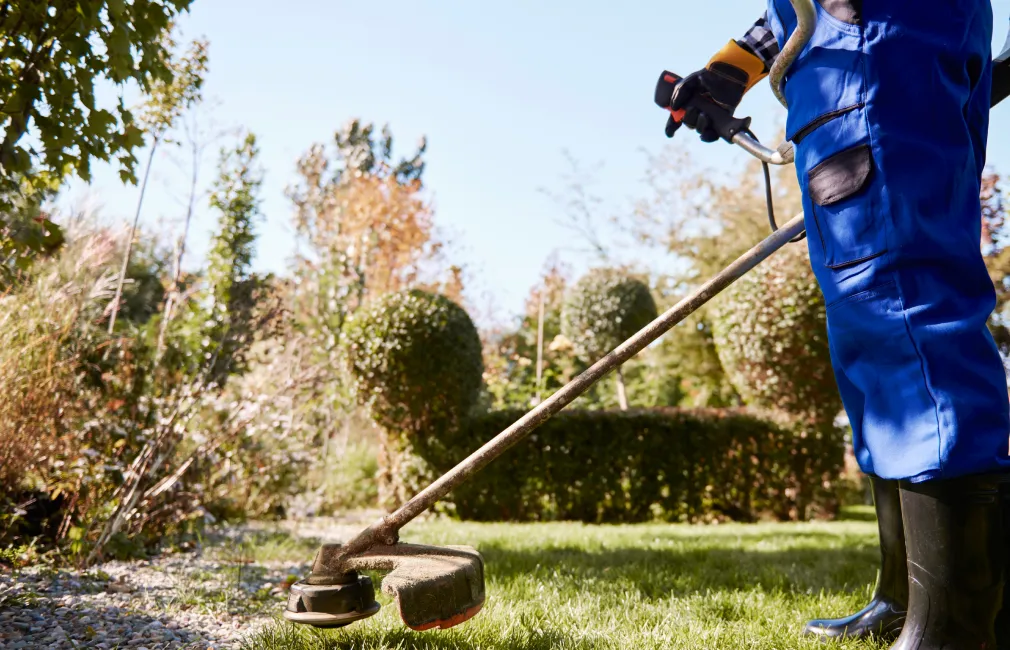
Providence Flower Bed Maintenance Types

Seasonal Flower Planting
-
Weed Control Services
-
Mulching and Soil Amendment
-
Pruning and Deadheading
-
Fertilization Programs
-
Pest and Disease Management
-
Irrigation System Maintenance
Our Flower Bed Maintenance Process
Site Evaluation
Weed Removal
Soil Preparation
Plant Care
Mulching
Why Choose Providence Landscape Services
-
Providence Homeowners Trust Us
-
Expert Lawn Maintenance
-
Reliable Seasonal Cleanups
-
Competitive Pricing
-
Professional Team
-
Satisfaction Guarantee
-
Personalized Service
Soil Series and Drainage Considerations for Flower Beds in Providence
Providence’s urban landscape is characterized by Inceptisols and Udults, with glacial till and coastal sandy soils predominating according to the USDA Web Soil Survey. These soils are typically moderately acidic (pH 5.5–6.5) and often poorly drained, with seasonal water tables as shallow as 12–18 inches. For flower bed maintenance, it is essential to incorporate 2–3 inches of compost tilled to a 6-inch depth to improve structure and drainage. Soil testing is recommended every 2–3 years, with services available through the University of Rhode Island Cooperative Extension. Lime applications may be necessary if pH falls below 6.0. Urban compaction is common, especially in older neighborhoods, requiring periodic aeration. Buffer zones of at least 25 feet must be maintained from wetlands and water bodies to comply with local and state environmental regulations, including the Rhode Island Environmental Rights Act.
Providence RI Department of Public Works
700 Allens Avenue, Providence, RI 02905
Phone: (401) 680-7500
Official Website: Providence RI Department of Public Works
Seasonal Timing and Weather Guidance for Flower Bed Maintenance in Providence
Providence is located in USDA Hardiness Zone 6b–7a, with average last frost dates in late April and first frost in late October. Optimal planting and maintenance windows for perennial flower beds are April 15–May 30 and August 20–September 30, when soil temperatures range from 50–65°F. Mulching should be completed by mid-May to conserve moisture and suppress weeds. Avoid major soil disturbance or fertilizer application from June through August due to heat stress. For weather-specific scheduling, consult the National Weather Service Boston/Norton Office. Routine deadheading and pruning are best performed monthly from May through September. Irrigation should be scheduled for early morning hours to minimize evaporation and fungal risk. Monitor for heavy rainfall events, as Providence’s coastal proximity can lead to rapid soil saturation and runoff.
Providence’s Municipal Yard Waste Collection and Debris Disposal Protocols
Proper disposal of flower bed debris in Providence is governed by city ordinances and the MS4 stormwater permit under the Clean Water Act. Yard waste collection occurs weekly on Thursdays from April through November. Accepted materials include leaves, grass clippings, and brush under 4 feet in length, placed in biodegradable bags or reusable bins (32-gallon maximum). Plastic bags and branches over 4 inches in diameter are prohibited. Debris must not be placed in storm drains or within 25 feet of wetlands. Violations may result in fines per city code. For large volumes, residents may utilize the city’s transfer station during posted hours. Coordination with the Department of Public Works ensures compliance and supports citywide stormwater management efforts.
Providence RI Department of Public Works
700 Allens Avenue, Providence, RI 02905
Phone: (401) 680-7500
Official Website: Providence RI Department of Public Works
Plant Selection and Native Species Recommendations for Providence Flower Beds
Selecting appropriate species for Providence flower beds requires consideration of local climate, soil acidity, and deer pressure. Recommended full-sun perennials include black-eyed Susan (Rudbeckia hirta), purple coneflower (Echinacea purpurea), and daylily (Hemerocallis spp.). For partial shade, coral bells (Heuchera spp.), astilbe, and hosta are well-suited. Deer-resistant options such as lavender (Lavandula angustifolia), Russian sage (Perovskia atriplicifolia), and salvia are effective in urban and suburban settings. Native species like wild bergamot (Monarda fistulosa), Joe Pye weed (Eutrochium purpureum), and cardinal flower (Lobelia cardinalis) support pollinators and require less irrigation. Plant spacing should be 18–24 inches for dense coverage. For additional guidance, consult the University of Rhode Island Cooperative Extension.
Safety Standards and Equipment Operation for Flower Bed Maintenance in Providence
All flower bed maintenance activities in Providence must adhere to city noise ordinances and equipment safety standards. Permitted operation hours are:
- Monday–Friday: 7:00 AM – 7:00 PM
- Saturday: 8:00 AM – 6:00 PM
- Sunday and holidays: Prohibited Operators must use commercial-grade electric or 4-stroke gas equipment with functioning mufflers, maintaining noise levels below 85 decibels at property lines. Personal protective equipment (PPE) is required, including:
- ANSI Z87.1 safety glasses
- Hearing protection (earmuffs or plugs)
- Steel-toed boots with non-slip soles
- Cut-resistant gloves for pruning Maintain a 15-foot clearance from overhead utilities and a 25-foot buffer from wetlands. All chemical applications must comply with state and federal regulations, including the Rhode Island Environmental Rights Act and EPA NPDES Program.
Providence RI Code Enforcement
444 Westminster Street, Providence, RI 02903
Phone: (401) 680-5201
Official Website: Providence RI Code Enforcement
What Neighborhoods Do We Serve Throughout Providence, RI?
- East Side (College Hill, Wayland, Blackstone): Features historic properties with compacted urban soils and mature tree canopies, requiring careful soil amendment and shade-tolerant plant selection.
- Elmhurst: Characterized by larger lots and moderate slopes, with loamy soils and good drainage, ideal for perennial beds and native species.
- Silver Lake: Densely developed with limited green space, often experiencing soil compaction and drainage challenges; raised beds and regular aeration are recommended.
- South Providence: Proximity to wetlands and the Woonasquatucket River necessitates strict adherence to 25-foot buffer zones and stormwater management protocols.
- Mount Pleasant: Residential area with a mix of older and newer homes, variable soil quality, and moderate deer pressure, requiring deer-resistant plantings and regular soil testing.
- Downtown/West End: Urban core with heavy foot traffic, compacted soils, and limited sunlight; container gardening and frequent soil amendment are common practices.
- Fox Point: Coastal influences and sandy soils demand drought-tolerant species and careful irrigation scheduling to prevent runoff into Narragansett Bay.