
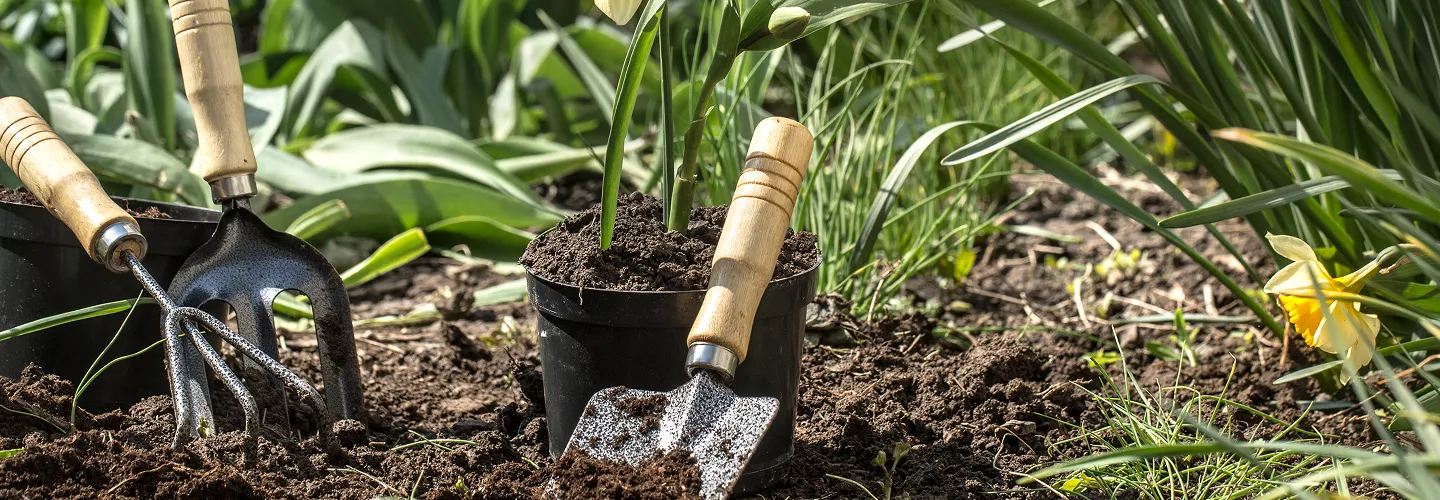
Providence Lawn Edging Services
Choose our expert lawn edging to give your yard a clean, polished look that enhances curb appeal and makes maintenance easier—experience the difference of professional precision and lasting results.
Get a Free QuoteOur Providence Landscaping & Yard Care Services
When to Schedule Lawn Edging in Providence, Rhode Island – Seasonal Guide
In Providence, Rhode Island, the best times to schedule lawn edging are typically in early spring and late summer. The city’s climate, with its cold winters and humid summers, means that soil conditions and grass growth patterns can vary significantly throughout the year. For neighborhoods like College Hill and Elmhurst, where mature trees provide ample shade, edging in early spring—after the last frost but before rapid grass growth—ensures crisp borders and healthy turf. Late summer is also ideal, as it allows for a tidy appearance before autumn leaves begin to fall and before the ground hardens with the first frost.
Local environmental factors play a crucial role in determining the optimal timing for lawn edging. Providence’s proximity to Narragansett Bay can lead to higher humidity and occasional salt exposure, while areas near Roger Williams Park may experience more shade and moisture retention. Soil types can range from sandy loam in the East Side to heavier clay in the West End, affecting how well edges hold their shape. It’s also important to consider municipal guidelines and neighborhood association rules, which can be found on resources like the Sudbury municipal site, to ensure compliance with local landscaping standards.
Local Factors to Consider for Lawn Edging in Providence
- Tree density and shade coverage (e.g., Blackstone Boulevard vs. Federal Hill)
- Soil type and drainage (sandy loam vs. clay)
- Average precipitation and drought risk
- Frost dates and seasonal temperature shifts
- Municipal restrictions or neighborhood association guidelines
- Terrain and slope of the property
- Proximity to saltwater or high-humidity zones
Benefits of Lawn Edging in Providence

Enhanced Curb Appeal
Weed Growth Prevention
Defined Landscape Borders
Low Maintenance Solutions
Increased Property Value
Professional Installation Expertise
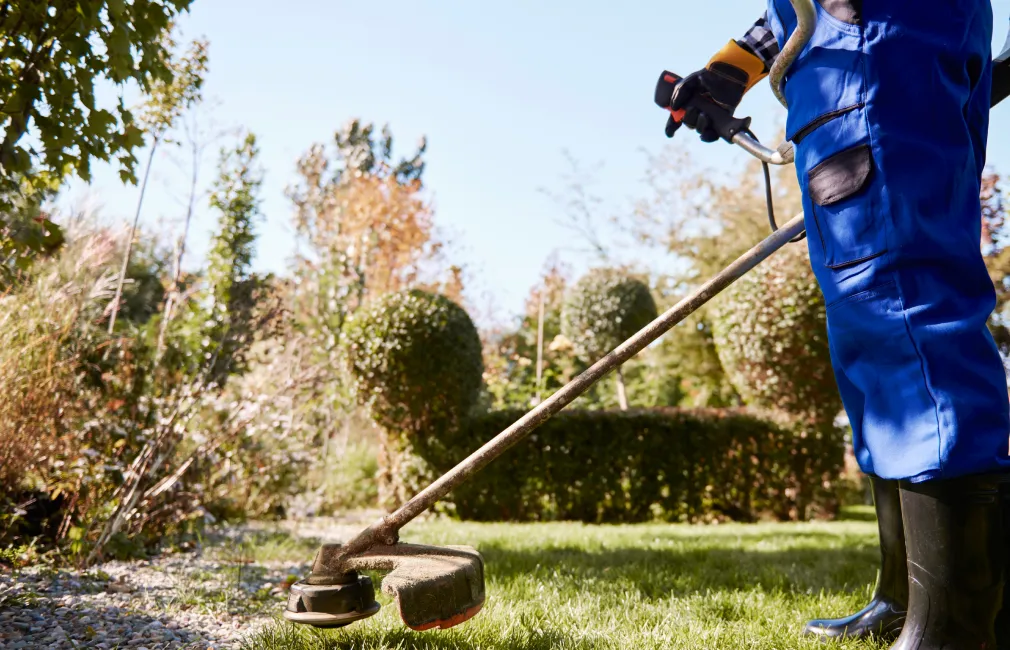
Providence Lawn Edging Types

Brick Lawn Edging
-
Stone Lawn Edging
-
Metal Lawn Edging
-
Plastic Lawn Edging
-
Concrete Lawn Edging
-
Wood Lawn Edging
-
Rubber Lawn Edging
Our Lawn Edging Process
Site Evaluation
Marking Edges
Cutting the Edge
Debris Removal
Final Inspection
Why Choose Providence Landscape Services
-
Providence Homeowners Trust Us
-
Expert Lawn Maintenance
-
Reliable Seasonal Cleanups
-
Competitive Pricing
-
Professional Team
-
Satisfaction Guarantee
-
Personalized Service
Providence’s Glacial Till Soils and Lawn Edging Depth Requirements
Lawn edging in Providence must account for the city’s predominant glacial till soils, which are typically rocky, moderately acidic (pH 5.5-6.5), and often poorly drained. According to the USDA Web Soil Survey, common series such as Newport and Ridgebury require special attention to depth and compaction. For effective edging, trenches should be cut to a minimum depth of 4 inches to penetrate compacted layers and prevent grass encroachment. Soil amendments, such as compost incorporation (2-3 inches tilled to 6-inch depth), are recommended to improve structure and drainage. Soil testing is available through the University of Rhode Island Cooperative Extension for $15-25 per sample. When working near public rights-of-way, coordinate with the city’s infrastructure standards.
Providence RI Department of Public Works
700 Allens Avenue, Providence, RI 02905
Phone: (401) 680-7500
Official Website: Providence RI Department of Public Works
Equipment Operation Hours and Noise Ordinance Compliance for Lawn Edging in Providence
Providence enforces strict noise and equipment operation ordinances for all outdoor maintenance, including lawn edging. Under city code, powered equipment may only be operated during the following hours:
- Monday-Friday: 7:00 AM - 7:00 PM
- Saturday: 8:00 AM - 6:00 PM
- Sunday and holidays: Prohibited All equipment must be fitted with functional mufflers, and noise levels must not exceed 85 decibels at the property line. Operators are required to wear ANSI Z87.1 safety glasses, hearing protection for noise above 85 dB, and steel-toed boots. For work near public sidewalks or streets, high-visibility vests are mandatory. The city’s Code Enforcement division monitors compliance and may issue citations for violations.
Providence RI Code Enforcement
444 Westminster Street, Providence, RI 02903
Phone: (401) 680-5201
Official Website: Providence RI Code Enforcement
Stormwater Management and Environmental Buffer Zones for Edging Near Providence Wetlands
Lawn edging projects adjacent to Providence’s wetlands, streams, or storm drains must comply with both city and state environmental regulations. The Rhode Island Environmental Rights Act and the city’s MS4 permit under the Clean Water Act prohibit the discharge of soil, clippings, or debris into stormwater systems. Maintain a minimum 25-foot no-disturbance buffer from all mapped wetlands and a 50-foot setback from the Woonasquatucket and Moshassuck Rivers. Clippings and soil must be collected in biodegradable bags or 32-gallon bins for Thursday curbside pickup (April-November). Plastic bags and debris over 4 inches in diameter are prohibited. For guidance on buffer delineation and compliance, consult the city’s planning department.
Providence RI Planning Department
444 Westminster Street, Providence, RI 02903
Phone: (401) 680-8400
Official Website: Providence RI Planning Department
Seasonal Timing and Weather Considerations for Lawn Edging in Providence’s Climate Zone
Providence is located in USDA Hardiness Zone 6b-7a, with average last frost in late April and first frost in late October. Optimal timing for lawn edging is mid-April through early June and again from late August to mid-October, when soil temperatures are between 50-65°F and moisture levels are moderate. Avoid edging during summer heat (July-August) to prevent soil compaction and turf stress. Monitor local weather forecasts through the National Weather Service Boston/Norton Office for rainfall and temperature updates. For best results, edge after rainfall when soil is moist but not saturated, and avoid working during drought or heavy rain events. Annual edging is recommended for most properties, with biannual edging in high-growth areas.
What Neighborhoods Do We Serve Throughout Providence, RI?
- East Side (College Hill, Wayland, Blackstone): Characterized by mature trees, historic properties, and compacted urban soils. Edging here often requires deeper trenching and careful debris management due to narrow streets and dense landscaping.
- Elmhurst: Features larger lots and moderate slopes, with a mix of clay and sandy soils. Seasonal drainage issues may necessitate additional soil amendments and buffer compliance near wetlands.
- Silver Lake: Known for smaller parcels and high-density housing, with frequent sidewalk and curb interfaces. Strict adherence to noise ordinances and equipment operation hours is essential.
- Mount Pleasant: Contains a mix of older and newer developments, with variable soil compaction and occasional flooding. Edging projects must consider stormwater runoff and proximity to city parks.
- South Providence: Proximity to the Woonasquatucket River and industrial areas requires careful compliance with buffer zones and debris containment. Soil is often rocky and poorly drained.
- Federal Hill: Urban environment with limited green space, heavy foot traffic, and historic district regulations. Edging must be precise, with special attention to property line setbacks and city code enforcement.
State and Federal Environmental Regulations Affecting Lawn Edging in Providence
All lawn edging activities in Providence must comply with the Rhode Island Environmental Rights Act and the city’s MS4 stormwater permit, which are enforced in coordination with EPA Region 1. Discharge of soil or organic debris into storm drains is strictly prohibited. The Rhode Island Department of Environmental Management provides additional guidance on buffer zones, fertilizer restrictions (no application within 50 feet of water bodies), and wetland protection. For technical support on soil management, the University of Rhode Island Cooperative Extension offers soil testing, plant selection advice, and best practices for sustainable lawn care. All operators are encouraged to review the USDA Plant Hardiness Zone Map and USDA Web Soil Survey for site-specific recommendations.