
Providence Mulching Services
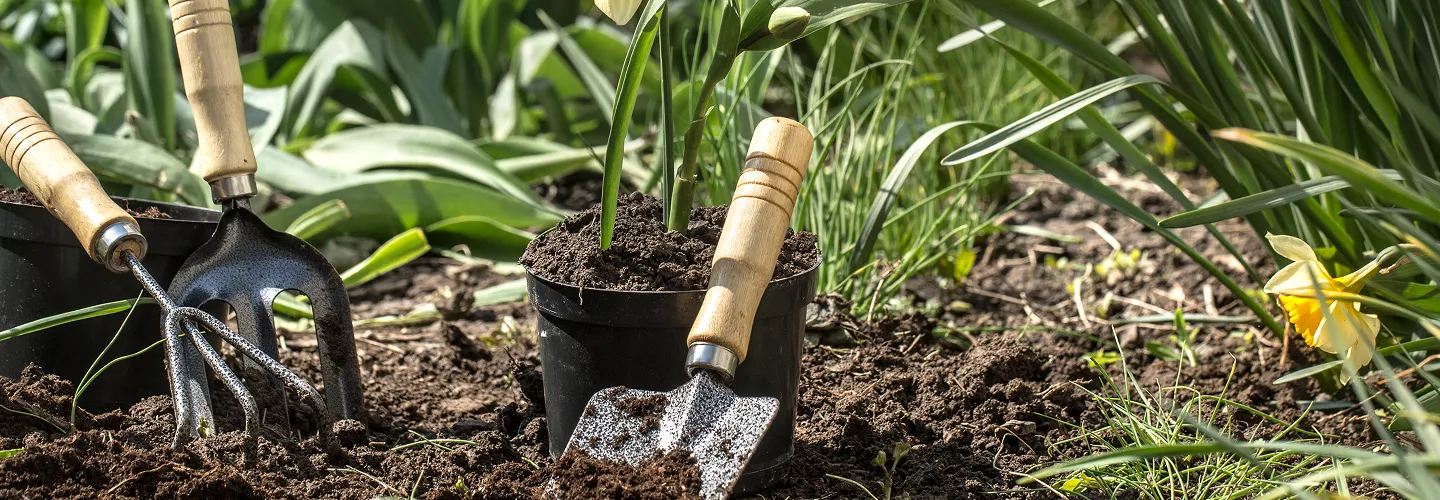
Choose our mulching services for expert care that enriches your soil, conserves moisture, and gives your garden a polished, healthy look all season long.
Get a Free QuoteOur Providence Landscaping & Yard Care Services
When to Schedule Mulching in Providence, Rhode Island – Seasonal Guide
In Providence, Rhode Island, the best times to schedule mulching are typically in early spring and late fall. Spring mulching, ideally performed after the last frost but before the heat of summer, helps retain soil moisture and suppress weeds as plants begin their active growth. Fall mulching, on the other hand, insulates roots against winter cold and replenishes organic matter in preparation for the next growing season. The city’s climate—marked by humid summers, cold winters, and variable precipitation—means timing is crucial for optimal results.
Local factors such as the proximity to Roger Williams Park, the shaded streets of Elmwood, and the well-drained soils in the East Side neighborhoods all play a role in determining the best mulching schedule. Providence’s frost dates, risk of summer drought, and occasional heavy rainfall events should be considered. For more information on local environmental guidelines, visit the Sudbury municipal resource.
Local Factors to Consider for Mulching in Providence
- Tree density and shade coverage (e.g., mature maples in College Hill)
- Soil type and drainage (sandy soils near Blackstone Boulevard vs. clay in Silver Lake)
- Average precipitation and risk of drought during summer months
- Frost dates and temperature swings in spring and fall
- Municipal restrictions or neighborhood association guidelines
- Terrain and slope, especially in hilly areas like Mount Pleasant
Benefits of Mulching in Providence
Enhanced Soil Moisture Retention
Weed Growth Suppression
Improved Curb Appeal
Temperature Regulation for Plant Roots
Reduced Soil Erosion
Nutrient-Rich Soil Enrichment
Providence Mulching Types

Organic Mulch
-
Inorganic Mulch
-
Bark Mulch
-
Wood Chip Mulch
-
Compost Mulch
-
Rubber Mulch
-
Stone Mulch
Our Mulching Process
Site Evaluation
Soil Preparation
Mulch Selection
Mulch Application
Final Inspection
Why Choose Providence Landscape Services
-
Providence Homeowners Trust Us
-
Expert Lawn Maintenance
-
Reliable Seasonal Cleanups
-
Competitive Pricing
-
Professional Team
-
Satisfaction Guarantee
-
Personalized Service
Mulching and Soil Health in Providence’s Glacial Till and Coastal Sandy Soils
Mulching practices in Providence must account for the city’s predominant soil types, which include glacial till and coastal sandy soils as identified by the USDA Web Soil Survey. These soils are typically moderately acidic (pH 5.5-6.5) and often poorly drained, especially in low-lying areas. For optimal soil health, organic mulch should be applied at a depth of 2-3 inches, ensuring it is kept 2-3 inches away from tree trunks and plant stems to prevent rot. Soil testing is recommended every 2-3 years, with services available through the University of Rhode Island Cooperative Extension. Key soil amendment practices include:
- Compost incorporation: 2-3 inches tilled to 6-inch depth
- Lime application for pH below 6.0
- Mulch renewal every 12-18 months Proper mulching improves moisture retention and reduces erosion, which is especially important in Providence’s urban neighborhoods with compacted soils.
Providence’s Municipal Yard Waste Collection and Mulch Disposal Requirements
Providence operates a citywide yard waste collection program from April through November, with weekly pickups scheduled on residents’ regular trash day. Acceptable materials include leaves, grass clippings, and brush under 4 feet in length, placed in biodegradable paper bags or reusable bins (32-gallon maximum). Plastic bags and branches over 4 inches in diameter are prohibited. Mulch and yard waste must not be placed in the street or block storm drains, as this violates city code and can result in fines. For large-scale mulching or debris removal, permits may be required for curbside placement or temporary dumpsters. Residents can confirm collection schedules and disposal guidelines with the Department of Public Works.
Providence RI Department of Public Works
700 Allens Avenue, Providence, RI 02905
Phone: (401) 680-7500
Official Website: Providence RI Department of Public Works
Environmental Compliance: Mulching Near Providence Wetlands, Parks, and Waterways
Mulching activities in Providence must comply with local, state, and federal environmental regulations to protect sensitive areas such as the Woonasquatucket and Moshassuck Rivers, Roger Williams Park, and city wetlands. The Rhode Island Environmental Rights Act and the city’s MS4 stormwater permit prohibit the placement of mulch or yard debris within 25 feet of wetlands or water bodies. No mulch or organic material may be disposed of in storm drains, and buffer zones must be maintained to prevent runoff. The Clean Water Act and Rhode Island Department of Environmental Management enforce these requirements. For projects near protected areas, consult the city’s Planning Department for review procedures and buffer measurements.
Providence RI Planning Department
444 Westminster Street, Providence, RI 02903
Phone: (401) 680-8400
Official Website: Providence RI Planning Department
Rhode Island Department of Environmental Management
235 Promenade Street, Providence, RI 02908
Phone: (401) 222-4700
Official Website: Rhode Island Department of Environmental Management
Seasonal Timing and Weather Considerations for Mulching in Providence’s USDA Zone 6b-7a
Providence is located in USDA Hardiness Zones 6b-7a, with optimal mulching windows in mid-April to late May and again in September to early October. Mulch should be applied when soil temperatures are consistently above 50°F and before the first frost, which typically occurs in late October. Avoid mulching during periods of heavy rainfall to prevent compaction and runoff. The National Weather Service Boston/Norton office provides local forecasts to guide timing. Key timing guidelines include:
- Spring mulching: April 15 – May 31
- Fall mulching: September 1 – October 15
- Avoid: June-August (heat stress, risk of fungal growth) Monitoring weather and soil conditions ensures mulch is effective and environmentally compliant.
Safety Protocols and Equipment Standards for Mulching Operations in Providence
All mulching operations in Providence must adhere to city safety ordinances and equipment standards. Equipment operation is permitted:
- Monday-Friday: 7:00 AM – 7:00 PM
- Saturday: 8:00 AM – 6:00 PM
- Sunday and holidays: Prohibited Operators must use commercial-grade mulchers with maintained mufflers, and noise levels must not exceed 85 decibels at property lines. Personal protective equipment (PPE) is required, including:
- ANSI Z87.1 safety glasses
- Hearing protection for 85+ dB noise
- Steel-toed boots and cut-resistant gloves Maintain a 15-foot clearance from overhead utilities and public walkways. For work near public roads or parks, coordinate with the Department of Public Works for traffic control and site safety requirements.
Providence RI Code Enforcement
444 Westminster Street, Providence, RI 02903
Phone: (401) 680-5201
Official Website: Providence RI Code Enforcement
What Neighborhoods Do We Serve Throughout Providence, RI?
- East Side (College Hill, Wayland, Blackstone): Characterized by mature tree canopies, historic properties, and compacted urban soils requiring careful mulch application to improve drainage and root health.
- Elmhurst: Features larger lots and moderate slopes, with a mix of glacial till and sandy soils; mulching helps control erosion and maintain soil moisture.
- Silver Lake: Dense residential development with limited green space and higher impervious surface area, making proper mulch placement critical for stormwater management.
- South Providence: Proximity to wetlands and the Providence River necessitates strict adherence to buffer zones and environmental compliance for all mulching activities.
- Mount Pleasant: Contains both older and newer developments, with variable soil compaction and drainage; mulching supports healthy turf and garden beds.
- Federal Hill: Urban neighborhood with narrow lots and limited access, requiring specialized equipment and careful scheduling to comply with city noise ordinances.
- Wanskuck: Includes areas near conservation land and city parks, where mulching must follow city and state environmental protection guidelines to safeguard sensitive habitats.