
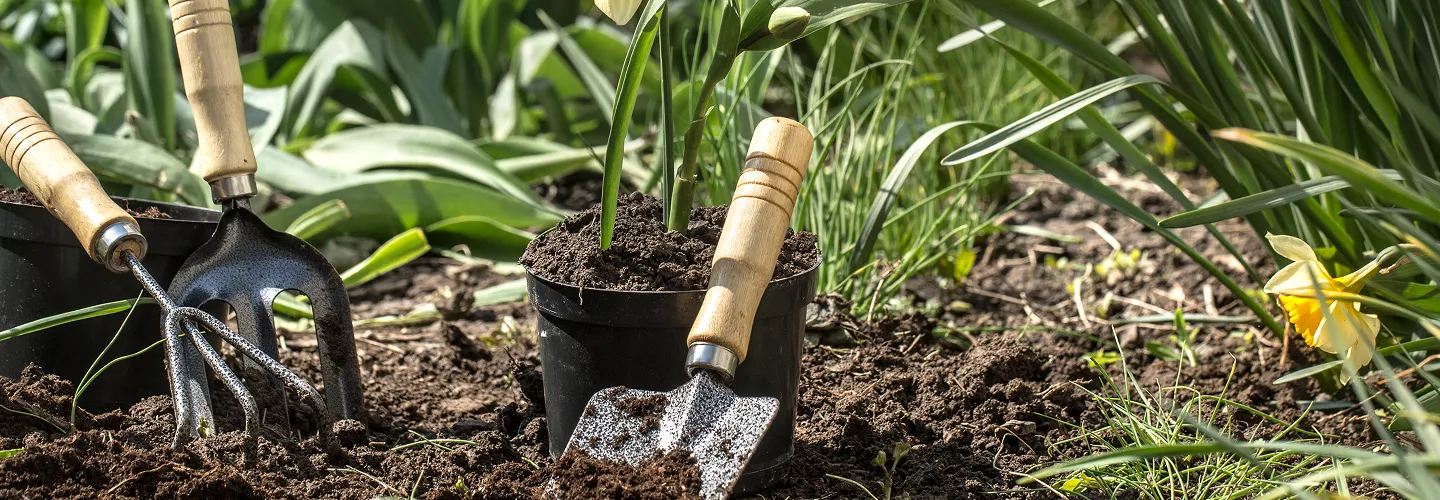
Providence Flower Planting Services
Choose our flower planting services for vibrant, expertly arranged blooms that enhance your curb appeal and thrive throughout the seasons—bringing lasting beauty and value to your home.
Get a Free QuoteOur Providence Landscaping & Yard Care Services
When to Schedule Flower Planting in Providence, Rhode Island – Seasonal Guide
In Providence, Rhode Island, the best times for flower planting are closely tied to the city’s unique climate and landscape. Spring, particularly from late April to early June, is ideal for most annuals and perennials, as the risk of frost typically passes after mid-May. Fall planting, from late August through September, can also be advantageous for certain hardy varieties, allowing roots to establish before winter. Neighborhoods like College Hill and Elmhurst, with their mature tree canopies, may experience more shade and cooler soil temperatures, which can influence planting schedules. Areas near Roger Williams Park or along the Seekonk River often have higher humidity and richer, loamy soils, supporting a wider range of flower species. It’s important to consider local environmental factors such as late spring frosts, summer drought risk, and the city’s variable precipitation patterns. For more detailed local climate data, you can consult resources like the Sudbury municipal site.
Local Factors to Consider for Flower Planting in Providence
- Proximity to large trees (affecting shade and root competition)
- Soil type and drainage, especially in historic districts
- Average last frost date (typically mid-May)
- Summer drought risk and irrigation availability
- Humidity levels near water bodies like the Woonasquatucket River
- Terrain slope and erosion potential
- Municipal planting restrictions or guidelines
Benefits of Flower Planting in Providence
Expert Local Knowledge
Customized Landscape Designs
Seasonal Plant Selection
Enhanced Curb Appeal
Eco-Friendly Practices
Reliable Maintenance Services
Providence Flower Planting Types

Annual Flower Beds
-
Perennial Gardens
-
Native Plant Installations
-
Pollinator-Friendly Plantings
-
Shade Garden Flowers
-
Container Flower Arrangements
-
Seasonal Bulb Planting
Our Flower Planting Process
Site Evaluation
Soil Preparation
Plant Selection
Careful Planting
Watering and Mulching
Why Choose Providence Landscape Services
-
Providence Homeowners Trust Us
-
Expert Lawn Maintenance
-
Reliable Seasonal Cleanups
-
Competitive Pricing
-
Professional Team
-
Satisfaction Guarantee
-
Personalized Service
Soil Series and Drainage Considerations for Flower Planting in Providence
Providence’s urban landscape is characterized by Inceptisols and Udults, with glacial till and coastal sandy soils predominating. These soils are moderately acidic (pH 5.5–6.5) and often poorly drained, with seasonal water tables as shallow as 12–18 inches. Before planting, it is recommended to conduct a soil test through the University of Rhode Island Cooperative Extension (typical cost: $15–25) to determine pH and nutrient needs. For optimal flower bed establishment, incorporate 2–3 inches of compost tilled to a 6-inch depth and apply lime if pH is below 6.0. Drainage improvements, such as raised beds or French drains, are advised in areas with persistent wetness. Research local soil series using the USDA Web Soil Survey for site-specific recommendations.
Providence RI Department of Public Works
444 Westminster Street, Providence, RI 02903
Phone: (401) 680-7500
Official Website: Providence RI Department of Public Works
Seasonal Timing and Weather Guidance for Flower Planting in Providence
Providence’s USDA Hardiness Zone 6b–7a climate supports spring and fall flower planting windows. For annuals and perennials, the optimal spring planting period is April 15–May 30, when soil temperatures reach 50–65°F. Fall planting of hardy perennials is best from September 1–October 15, before the first frost (typically late October). Avoid planting during June–August due to heat stress and inconsistent rainfall. Monitor local weather forecasts through the National Weather Service Boston/Norton Office for frost advisories and rainfall patterns. Key timing guidelines include:
- Spring planting: April 15–May 30 (soil temp 50–65°F)
- Fall planting: September 1–October 15
- Avoid: June–August (heat/drought risk)
- Mulch after planting to retain soil moisture
Native and Recommended Flower Species for Providence’s Urban Environment
Selecting species adapted to Providence’s climate and urban soils is essential for sustainable flower beds. Native and regionally adapted perennials offer resilience to local pests, variable drainage, and urban heat. Recommended species include:
- Full sun: Black-eyed Susan (Rudbeckia hirta), purple coneflower (Echinacea purpurea), daylily (Hemerocallis spp.)
- Partial shade: Coral bells (Heuchera americana), astilbe (Astilbe spp.), hosta (Hosta spp.)
- Deer resistant: Lavender (Lavandula angustifolia), Russian sage (Perovskia atriplicifolia), salvia (Salvia nemorosa)
- Native options: Wild bergamot (Monarda fistulosa), Joe Pye weed (Eutrochium purpureum), cardinal flower (Lobelia cardinalis) Spacing should be 12–24 inches apart depending on mature size. Consult the University of Rhode Island Cooperative Extension for additional plant selection guidance and pest management resources.
Municipal Regulations and Permit Requirements for Flower Planting in Providence
Flower planting on public property, within city rights-of-way, or near protected areas in Providence is subject to municipal ordinances. Any planting within 25 feet of wetlands or 50 feet of water bodies must comply with buffer requirements under the Rhode Island Environmental Rights Act. Equipment operation for landscape work is permitted:
- Monday–Friday: 7:00 AM–7:00 PM
- Saturday: 8:00 AM–6:00 PM
- Sunday and holidays: Prohibited Permit applications for planting in city parks or medians are processed by the Parks & Recreation Department, with review times of 5–10 business days and typical fees of $25–50. For projects affecting public infrastructure, coordinate with the Department of Public Works.
Providence RI Parks & Recreation
2nd Floor, 444 Westminster Street, Providence, RI 02903
Phone: (401) 680-7200
Official Website: Providence RI Parks & Recreation
Environmental Compliance: Stormwater, Wetlands, and State Regulations in Providence
All flower planting activities in Providence must comply with local and state environmental regulations to protect water quality and sensitive habitats. The city operates under an MS4 permit, prohibiting soil, mulch, or plant debris from entering storm drains per the Clean Water Act. Maintain a 25-foot no-disturbance buffer from wetlands and a 50-foot setback from rivers and streams. Fertilizer and pesticide applications must follow Rhode Island Department of Environmental Management guidelines, with no application within 50 feet of water bodies. For technical support, consult the EPA Region 1 office or the University of Rhode Island Cooperative Extension for best management practices.
Rhode Island Department of Environmental Management
235 Promenade Street, Providence, RI 02908
Phone: (401) 222-4700
Official Website: Rhode Island Department of Environmental Management
What Neighborhoods Do We Serve Throughout Providence, RI?
- East Side (College Hill, Wayland, Blackstone): Features historic properties with mature trees, compacted urban soils, and variable drainage. Flower planting often requires soil amendment and careful species selection for shade.
- Elmhurst: Characterized by larger lots and moderate tree cover, with loamy soils and good drainage. Ideal for perennial beds and pollinator gardens.
- Silver Lake: Densely developed with smaller yards, fill soils, and limited sunlight. Raised beds and container planting are common solutions for challenging conditions.
- South Providence: Proximity to wetlands and the Woonasquatucket River requires strict buffer compliance and attention to stormwater runoff during planting projects.
- Mount Pleasant: Residential area with moderate slopes and clay-rich soils, necessitating drainage improvements and erosion control for successful flower establishment.
- Downtown/West End: Urban core with high impervious surface coverage, limited green space, and frequent utility access constraints. Emphasis on container gardens and compliance with city right-of-way regulations.
- Fox Point: Coastal influences and salt exposure near the Seekonk River require salt-tolerant species and regular soil pH monitoring for healthy flower beds.